Harvest Time Payroll: Managing Overtime, Bonuses, And Temporary Hires Without Missing A Beat
Key Takeaways
Harvest season compresses months of payroll complexity into a few intense weeks, including overtime rules that vary by state, temporary hires, and bonus pay. CenterPoint Payroll from Red Wing Software supports farm payroll software needs around harvest overtime, temporary ag labor, and seasonal bonuses, giving operations searching for farm payroll software or accounting software for farms a system that keeps up when the pressure is highest.
Harvest Is A Payroll Stress Test
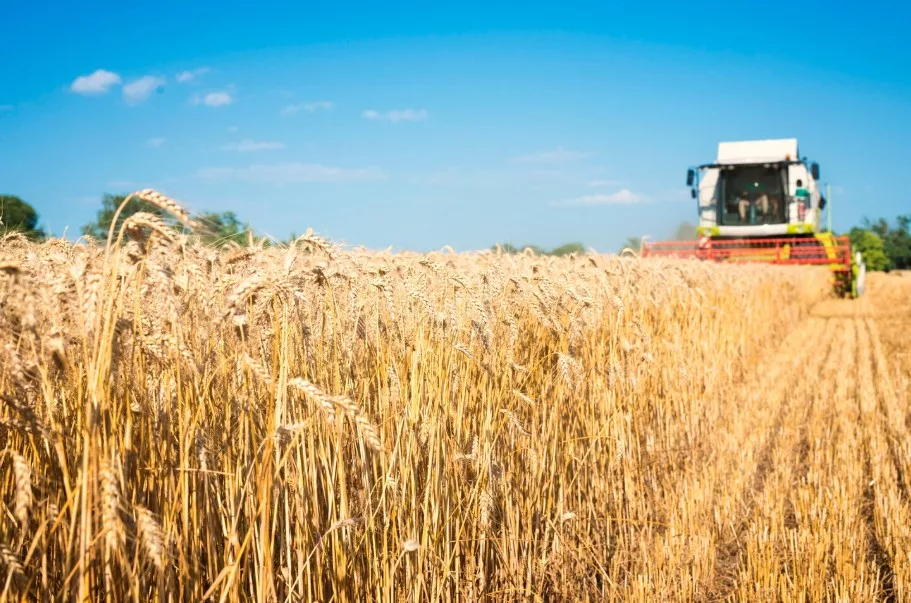
Every part of your operation speeds up during harvest, and payroll is no exception. You are bringing on temporary hires, running longer hours, sometimes offering bonus pay to keep a crew through a tight window, and trying to keep it all accurate while you are also running equipment, watching weather, and managing grain movement. Payroll mistakes made in October tend to surface as expensive problems the following spring.
The Overtime Question Is More Complicated Than Most Employers Realize
A lot of farm employers assume federal overtime rules simply do not apply to agricultural labor, and for the most part that is true at the federal level. According to the National Agricultural Law Center, the Fair Labor Standards Act does not require that employees employed in agriculture receive federal overtime payment of time and one half their regular rates for hours worked beyond 40 hours per week, though states are free to enact their own regulations requiring overtime for agricultural workers, and several states have done exactly that. You can review the full state by state breakdown at https://nationalaglawcenter.org/state-compilations/agpay/overtime/.
That last part is the piece that catches operations off guard, especially those that have grown into new states or hired workers who cross state lines. A payroll process built around a single federal assumption can quietly fall out of compliance the moment your operation touches a state with its own agricultural overtime threshold.
Temporary Hires Are A Growing Share Of Harvest Labor
Bringing on short term help for harvest is nothing new, but the scale of temporary and seasonal agricultural labor has grown substantially. Research from the American Immigration Council found that between 2017 and 2022 the number of certified H-2A workers grew by 64.7 percent, from 224,965 to 370,628, reflecting a broader trend across the industry toward heavier reliance on temporary seasonal labor during peak periods like harvest. That research is available at https://www.americanimmigrationcouncil.org/report/h-2a-workers-us-agriculture/.
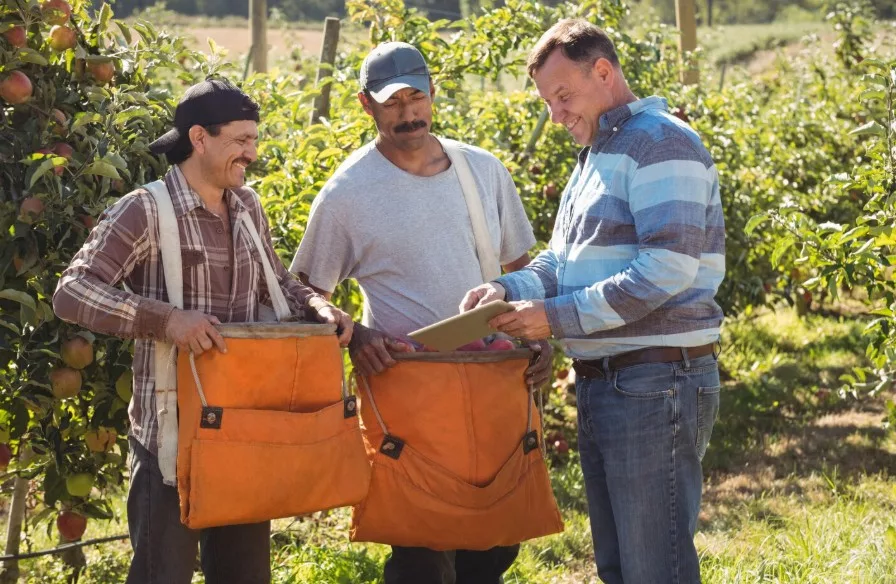
Even for operations that do not use the H-2A program, this trend matters. It reflects a labor market where temporary, short duration hires are becoming a normal and necessary part of getting the crop in, which means your payroll system needs to onboard, pay, and offboard temporary workers cleanly without creating a mess in your books once the season ends.
What Harvest Payroll Needs To Get Right
A payroll system built for harvest needs to handle a few things at once without dropping any of them. It needs to track regular hours, overtime hours where applicable by state, and bonus pay in the same pay period without manual workarounds. It needs to bring temporary hires on and off cleanly, so your employee records do not stay cluttered with names from three seasons ago. And it needs to keep all of that connected to the rest of your accounting, so labor cost shows up correctly against the crop or enterprise it belongs to.
CenterPoint Payroll handles this by supporting the mixed pay structures that harvest actually requires, including hourly, piece rate, and bonus pay within the same run, along with the seasonal headcount swings that come with bringing on a temporary crew for six weeks and releasing them once the crop is in.
Bonus Pay Without The Guesswork
Many operations offer a completion bonus to keep temporary workers through the full harvest window rather than losing them partway through to another farm. That is a smart retention strategy, but it only works if the bonus is calculated and paid correctly, and if it is properly reflected in your payroll tax filings. CenterPoint Payroll folds bonus pay into the same system as regular and overtime wages, so nothing gets tracked separately by hand and nothing gets missed at filing time.
Form 943 And Year End Accuracy
Everything that happens during a chaotic six week harvest window eventually has to reconcile cleanly on your Form 943 filing. Overtime paid under a state requirement, bonus pay, temporary hire wages, and your regular crew’s pay all need to land in the right categories. Getting that right in October saves you a much bigger headache the following January.
Direct Deposit Keeps Temporary Crews Paid Without The Phone Calls
Temporary harvest hires still expect to be paid accurately and on schedule, often more urgently than your year round staff since many are working multiple farms in a season and counting on that income. Red Wing’s Direct Deposit Services and Employee Portal let your temporary crew see their pay without needing to track you down mid harvest to ask whether their check went out.
Built By People Who Understand What Harvest Actually Looks Like
Red Wing Software has spent decades working alongside farm operations through exactly this kind of seasonal pressure. CenterPoint Payroll is built around the reality of harvest, not a generic payroll calendar that assumes every pay period looks the same.
If your current approach to harvest payroll involves a lot of manual math and a nervous glance at state overtime rules, it is worth seeing how a purpose built system handles it instead. Red Wing offers a free demo where a real person walks through how CenterPoint manages overtime, bonus pay, and temporary hires on your own operation’s numbers.
CATEGORIES
RELATED POSTS


More from the blog

Fund Accounting Basics Every Nonprofit Administrator Should Know
How to Stay Ahead of W-2 and 1099 Filing Deadlines